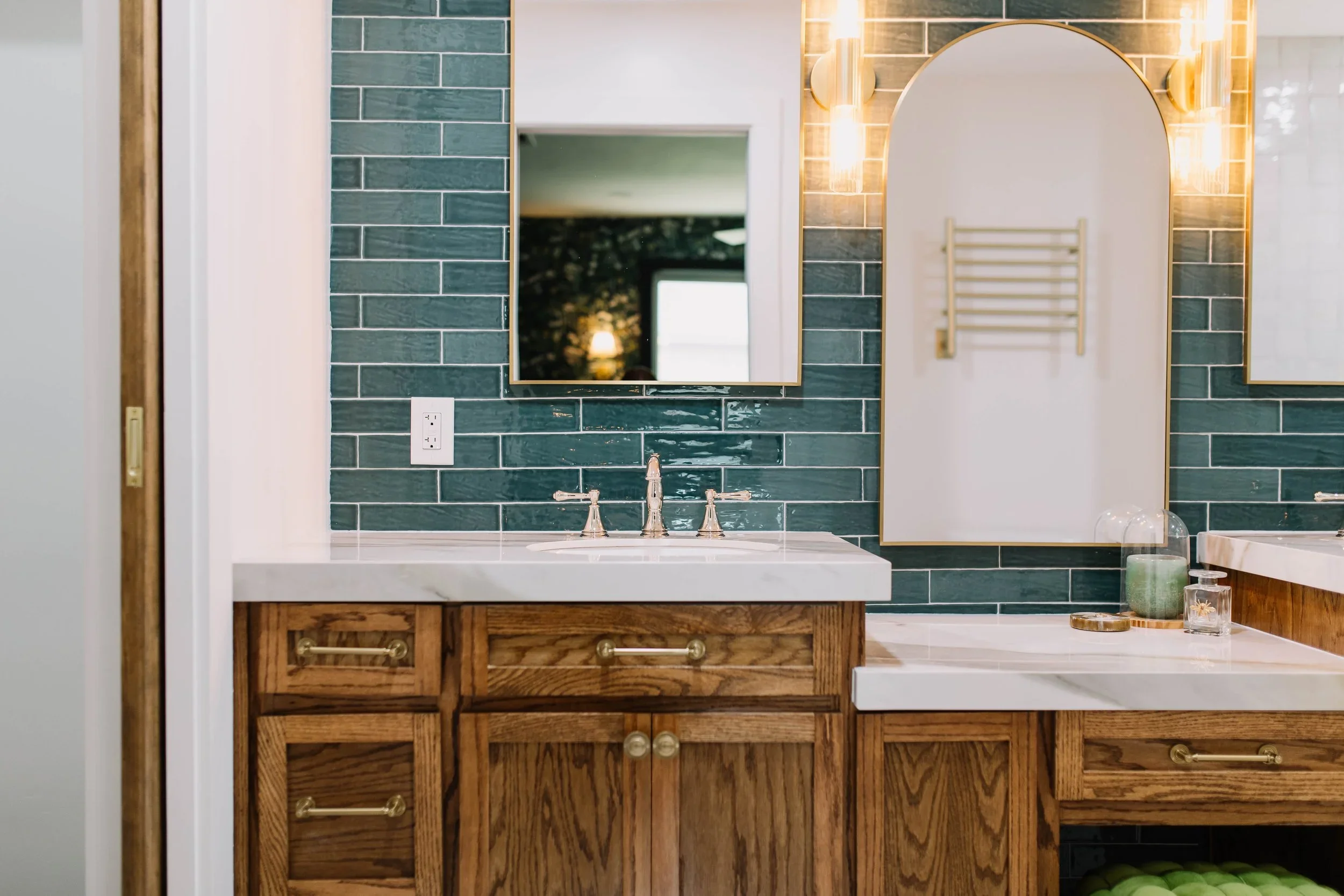
Second Story Addition in Fort Worth: Full Guide
The complete Fort Worth guide to second story additions — structural requirements, design decisions, cost ranges, and realistic timelines.
The Most Significant Thing You Can Do to Your Home
Adding a second story effectively doubles the livable square footage of your home without using a single additional square foot of your lot. The footprint stays the same; the home becomes fundamentally different.
For Fort Worth homeowners on tight urban lots — in Fairmount, Ryan Place, Mistletoe Heights, or any inner-loop neighborhood where lot coverage constraints limit ground-floor expansion — a second story is often the only way to get the space the family needs while keeping the backyard.
But second story additions are also the most complex, most expensive, and most disruptive home addition you can build. Here's what you need to understand before starting.
Is Your House a Candidate for a Second Story?
Not every house can support a second story without significant structural work. The first question is whether your existing first floor was built to carry the load of a second floor.
What a structural engineer assesses:
- —Existing foundation. Slab, pier-and-beam, or crawl space — each has different structural characteristics. The foundation must be able to carry the additional load from a second story. Many Fort Worth pier-and-beam foundations need reinforcement or extension before a second story can be added.
- —Existing wall framing. Load from the second story flows down through the exterior walls and selected interior walls. If the existing framing wasn't designed for this, it needs to be reinforced or supplemented with engineered lumber.
- —Interior bearing walls. A structural engineer will identify which interior walls are load-bearing and whether they can serve as transfer points for second-floor loads.
- —Existing roof framing. The existing roof comes off for a second story addition. But the engineer needs to understand how loads are currently distributed before recommending how to redistribute them during construction.
We engage a structural engineer on every second story project early — before design development, not at the permit phase. The engineer's findings affect what's possible, what it costs, and sometimes whether a second story makes sense at all for a given house.
What a Full Second Story Addition Involves
The roof comes off. This is the part that surprises homeowners most. Adding a second story above the entire first floor means removing the existing roof structure — it will be replaced entirely by a new roofline that covers both floors. This is done in a planned, sequenced way with emergency tarping in place, but it's disruptive.
Structural reinforcement first. Before any framing of the second floor begins, the structural reinforcement of the first floor happens — foundation work, wall reinforcement, new bearing elements.
Second floor framing. The floor structure of the second floor (joists, rim boards, structural panels) goes in, followed by the wall framing, and finally the new roof structure.
New staircase. A second story requires a staircase. Where the staircase goes affects first-floor layout significantly — typically 60–80 sq ft of first-floor space is sacrificed for the stair opening and landing.
Full mechanical integration. HVAC must be redesigned for a two-story home. This often means a new zone for the second floor or a full system replacement. Plumbing (for any upstairs bathrooms) must be run from the first floor up.
New roofline. The new roof covers the entire footprint. Its pitch and form should complement the original house's architectural character — this is a significant design consideration.
Partial vs. Full Second Story
Full second story: New floor structure over the entire first-floor footprint. Maximum square footage, maximum impact.
Partial second story: Second floor over only a portion of the first-floor footprint — for example, adding bedrooms over the rear of the house while the front maintains a single-story profile. This is a good option for homes where full two-story construction would overwhelm the street presence.
Partial second stories are often more architecturally interesting and can be designed to look like the home was always intended as a mixed-height structure.
What It Costs in Fort Worth
Partial second story (400–700 sq ft): $150,000–$250,000
Full second story (800–1,400 sq ft): $250,000–$400,000+
Cost drivers:
- —Structural conditions of the existing first floor (more reinforcement needed = higher cost)
- —Number of bathrooms on the second floor (plumbing rough-in cost is significant)
- —Roofline complexity (simple gable is least expensive; complex hip roofs cost more)
- —Finish level (mid-range to high-end can add $50,000–$100,000)
Timeline
Of all addition types, second stories take the longest:
- —Design: 8–12 weeks
- —Structural engineering: 3–5 weeks (partially overlapping with design)
- —Permitting: 6–12 weeks (longer in historic districts)
- —Construction: 5–9 months
Total from first consultation to move-in: 9–14 months for most projects.
Living During Construction
The most significant disruption of any addition type. During the period when the roof comes off and new framing goes up — typically 3–6 weeks — the house is under active construction in the most exposed way. Most homeowners either:
1. Temporarily relocate. The cleanest solution. Budget 2–3 months of rent or hotel costs.
2. Partition the first floor. Work with your project manager to establish a clean zone on the first floor that's separated from the construction zone. Possible for some projects; less practical for others depending on the first-floor layout.
The Design Opportunity
A second story addition isn't just more square footage — it's the opportunity to rethink the entire home. The bedroom configuration. The staircase placement and how it anchors the first-floor layout. The relationship between the primary suite and the rest of the second floor. The view from the second-floor windows, which are often the best views on the property.
We approach second story designs as whole-home redesigns, not just additions tacked on top. The homes that turn out best are the ones where design decisions were made in the context of how the whole house lives after construction — not just what's being added.
Ready to Start Your Home Addition Project?
Schedule a free consultation and get answers specific to your property — no obligation.
Related Articles
Second Story vs. Bump-Out for Fort Worth Additions
Two common addition types, two very different projects. How to figure out which one fits your Fort Worth property, budget, and goals.
5 Things to Know Before a Fort Worth Home Addition
After 40+ Fort Worth home addition builds, we keep seeing the same mistakes. Here's what to know before you start so yours isn't one.