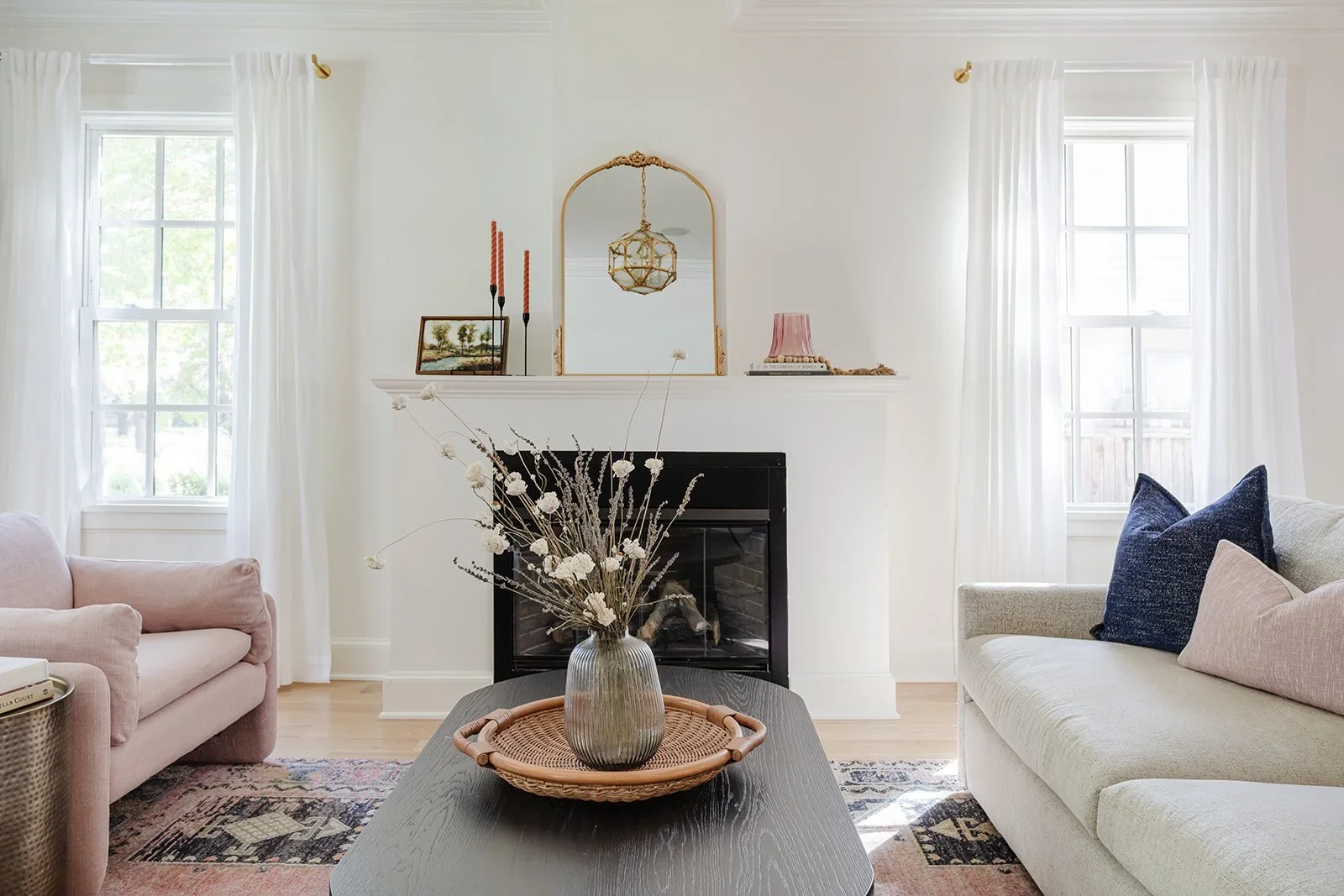
5 Things to Know Before a Fort Worth Home Addition
After 40+ Fort Worth home addition builds, we keep seeing the same mistakes. Here's what to know before you start so yours isn't one.
What We've Learned After 40+ Additions
We've been designing and building home additions across Fort Worth since 2016. In that time, we've seen homeowners make the same mistakes over and over — not because they're careless, but because the process isn't well-documented anywhere.
This is our attempt to fix that. Here are the five things we genuinely wish every homeowner knew before they started.
1. Your Addition Needs to Match the House — Not Just Fit the Lot
The most common design failure we see on home additions isn't about square footage or layout. It's about character.
A bump-out that uses vinyl siding on a brick Craftsman bungalow. A second story with 9-foot ceilings on top of a 1950s ranch with 8-foot ceilings. A primary suite addition with a modern flat parapet roof on a house with a 6/12 gable pitch.
These additions look like they were bolted on after the fact — because they were.
Character-matched additions require thoughtful design: matching rooflines, matching exterior materials, matching window profiles, matching ceiling heights. This takes more effort in the design phase. It costs a bit more. But the difference between an addition that looks like it was always there and one that looks like an afterthought is visible from the street — and it's reflected in your appraisal.
What to do: Choose a builder who has in-house design capability and a portfolio of additions that actually match their respective houses. Ask to see photos of completed projects, not renderings.
2. The Permit Process Is Slower Than You Expect — And That's Okay
The second-biggest source of frustration from homeowners isn't the construction — it's the wait for permits.
In Fort Worth, a residential addition permit typically takes 4–8 weeks for plan review. If there are structural complexity issues or city comments to address, add another 2–4 weeks. If you're in a historic district (Fairmount, Ryan Place, Mistletoe Heights), add a Historic & Cultural Landmarks Commission review — which meets monthly.
Homeowners who don't know this go in expecting to break ground in a few weeks. The ones who plan for it use that time productively — finalizing material selections, making fixture choices, and lining up financing.
What to do: Ask your builder for a realistic timeline that includes permitting, not just construction. If they give you a "3 months start to finish" answer without specifying permitting time, ask again.
3. The First Cost Estimate Is Almost Never the Final Cost
We try to give homeowners realistic budget ranges as early as possible. But "realistic" is a relative term before we've seen the inside of the walls.
Site conditions can move the number significantly. An existing load-bearing wall that wasn't on the original plans. Rotted rim joists discovered during demo. A chimney that runs exactly through the proposed addition footprint. These things happen — not on every project, but on enough of them that you should plan for it.
What to do: Build 15–20% contingency into your budget from day one. Not because something will necessarily go wrong — but because the projects that go smoothest are the ones where the homeowner had room to absorb the unexpected.
4. "Design-Build" Means One Team — Not Just Two Services
We hear this phrase misused constantly. A lot of contractors now call themselves "design-build" because they have a preferred architect they refer clients to. That's not design-build. That's a referral arrangement.
True design-build means the same company handles design, permits, and construction. The designer and the project manager work in the same office. The plans are drawn with construction feasibility in mind. The permits are pulled by people who know exactly what was designed and why.
Why this matters: when design and construction are separate companies, the coordination between them is where projects fall apart. The architect draws something the city requires a revision on. The builder can't build what the architect drew. The homeowner is stuck in the middle managing a dispute between two professionals who have never worked together.
What to do: Ask directly: "Are your designers and builders on the same team?" If the answer is "we work with a great local architect," that's a referral relationship — not design-build.
5. The Addition Affects More of Your House Than You Think
Homeowners often come to us thinking about the new space. The bedroom. The new kitchen. The sunroom. What surprises them is how much the addition affects the rest of the house.
Adding a second story usually means rerouting HVAC. A new staircase carves through existing square footage. Structural reinforcement may require work in the basement or crawl space. An addition that changes the roofline can affect drainage patterns across the entire roof.
None of this is insurmountable — it's just part of the project scope that needs to be accounted for in the budget and timeline. The homeowners who are happiest at the end of their project are the ones who understood from the start that they were doing work to the whole house, not just the new part.
What to do: During your first consultation, ask your builder to walk you through every part of your existing home that the addition will affect. A good builder will have already thought this through. Their answer will tell you a lot about how prepared they are for your project.
One More Thing
If you take away only one thing from this list, make it this: talk to a builder who's actually done this before in Fort Worth. Not a general contractor who does "some additions." Someone who has navigated the permit process, designed additions that match historic homes, and managed the structural complexity that comes with Fort Worth's existing housing stock.
The difference in project outcome is enormous. We'd be glad to be that builder for you.
Ready to Start Your Home Addition Project?
Schedule a free consultation and get answers specific to your property — no obligation.
Related Articles
Second Story vs. Bump-Out for Fort Worth Additions
Two common addition types, two very different projects. How to figure out which one fits your Fort Worth property, budget, and goals.
Second Story vs. Room Addition in Fort Worth
Second story or room addition? How to pick the right Fort Worth home addition for your lot, budget, family size, and long-term plans.