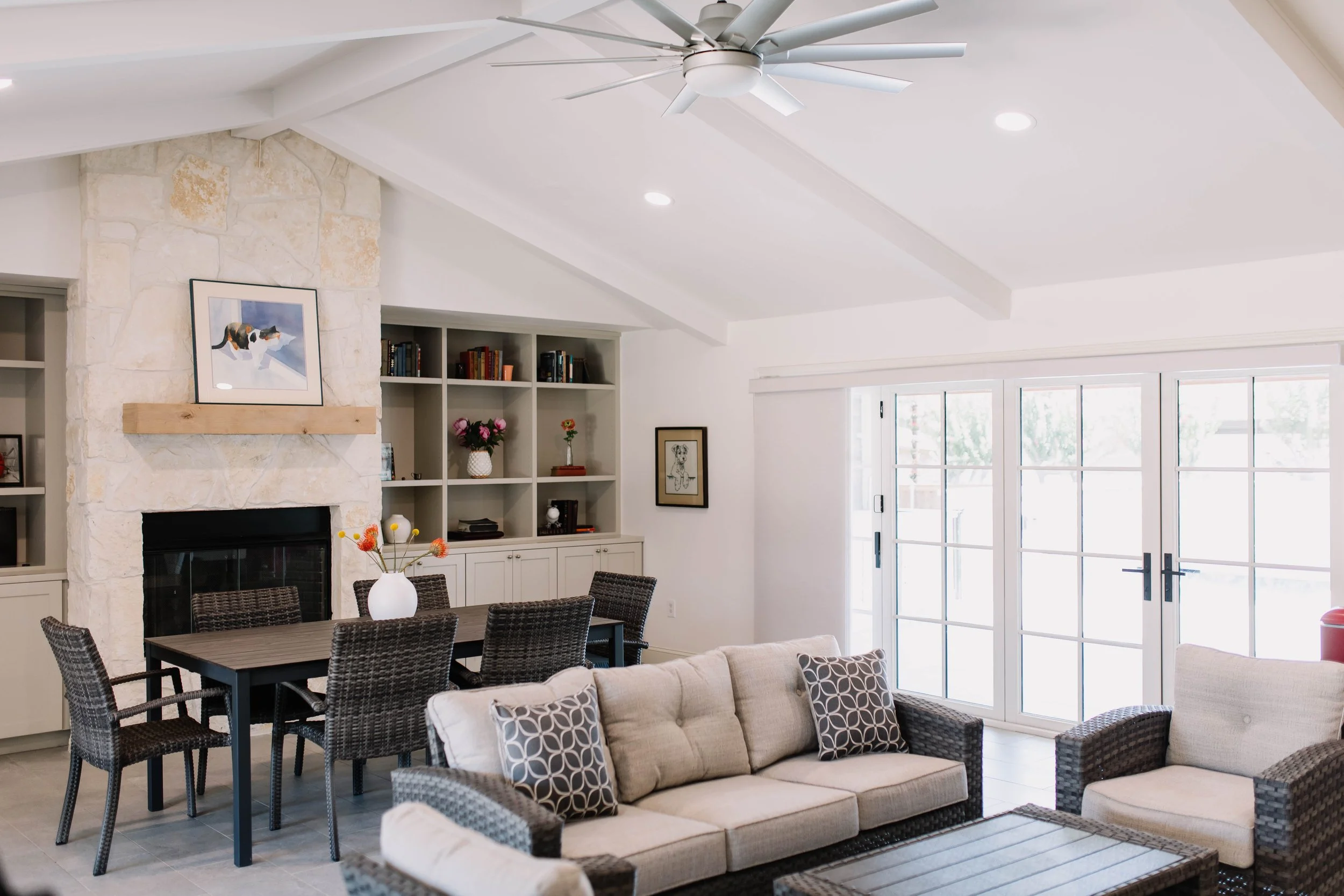
Best Fort Worth Neighborhoods for Home Additions
Not every Fort Worth neighborhood is the same for home additions. Our neighborhood-by-neighborhood read on where additions make the most sense.
Why Neighborhood Matters for Home Addition Planning
Your neighborhood affects your addition in ways that go beyond real estate values. It affects what you can build (zoning and setbacks), how long it takes (historic review), what the addition needs to look like (architectural character), and what return you'll see (comparable sales).
After building additions across dozens of Fort Worth neighborhoods since 2016, here's our honest read on the major Fort Worth markets.
Inner-Loop Neighborhoods
Fairmount and Near Southside
The case for additions here: Fairmount is Fort Worth's highest-demand urban neighborhood. Lot sizes are small — typically 4,000–6,500 sq ft — and prices per square foot are high ($250–$380+). The combination creates strong ROI for additions: lot coverage constraints make ground-floor additions modest, but second stories work extremely well. The demand for larger, updated homes in Fairmount consistently exceeds supply.
What to know: HCLC review required for exterior changes visible from the street. Design must be architecturally compatible with the bungalow and Craftsman character of the neighborhood. Historic overlay adds 6–10 weeks to the permit process.
Best addition types: Second story additions, rear bump-outs (where lot coverage allows), primary suite additions.
Ryan Place
The case for additions here: Ryan Place homes are larger than Fairmount's and the price points are higher. Median price per square foot runs $260–$380. A well-executed addition — particularly a second story — can create a home that doesn't exist anywhere else in the neighborhood and commands a premium at resale.
What to know: Ryan Place is architecturally cohesive, which is both a strength and a design constraint. Colonial, Tudor, and Period Revival homes require additions that respect their character. HCLC review required. The neighborhood's height norms mean second stories need careful roofline design to not overwhelm the street presence.
Best addition types: Primary suite additions, kitchen additions, selective second stories.
Mistletoe Heights
The case for additions here: One of Fort Worth's most beloved inner-loop neighborhoods. Home values are strong and buyer demand is consistent. The mix of bungalows and larger two-stories means there's a clear market for upgraded, expanded homes.
What to know: Historic overlay applies. Design must be sympathetic to the existing character. The neighborhood's topography — rolling terrain with significant grade changes — means some additions require more complex foundation work.
Best addition types: Second story additions, primary suite additions, in-law suites.
Arlington Heights
The case for additions here: Large neighborhood with significant architectural variety. Greater lot sizes than Fairmount and Ryan Place give more flexibility for ground-floor additions. Price per square foot runs $200–$320 depending on the specific area.
What to know: Parts of Arlington Heights are within the historic overlay; parts are not. Confirm whether your specific property is in a historic district before planning. Even outside the historic overlay, the neighborhood's character should inform addition design.
Best addition types: Full room additions, second story additions, in-law suites.
Midtown and Transitional Neighborhoods
Tanglewood and Colonial Hills
The case for additions here: Mid-century ranch homes on generous lots (typically 8,000–14,000 sq ft) with strong fundamentals. Less constrained on lot coverage than inner-loop neighborhoods, giving more options for ground-floor additions. Price per square foot runs $180–$280.
What to know: Ranch homes weren't designed for second stories, and structural reinforcement can be significant. Ground-floor additions — rear room additions, primary suite additions, kitchen bump-outs — tend to be more straightforward. Ranch-style architecture is also forgiving of additions if the roofline and materials match.
Best addition types: Rear room additions, primary suite additions on the ground floor, kitchen bump-outs.
Ridglea
The case for additions here: Established neighborhood with strong long-term price performance. Mix of ranch homes and some two-story properties. Lot sizes are generous. Good neighborhood to add a primary suite or in-law suite with confidence in long-term value retention.
What to know: No historic overlay in most of Ridglea. Standard Fort Worth residential permitting applies. Exterior material matching is important — a lot of brick in this neighborhood.
Best addition types: Primary suite additions, in-law suites, second story additions on two-story properties.
Newer Construction Neighborhoods
Walsh Ranch and Westover Hills
The case for additions here: High-value homes in newer subdivisions. The primary case for additions here is primary suites, kitchen additions, and in-law suites on homes that are 10–20 years old and have evolved needs.
What to know: HOA review may apply — some Walsh Ranch properties require HOA approval of exterior changes before City of Fort Worth permits can be pulled. HOA timelines vary. Check this first. Pre-engineered framing in newer homes can complicate second story additions.
Best addition types: Primary suite additions, kitchen additions, in-law suites.
Alliance and Keller Area
The case for additions here: Larger lots, newer homes, strong demographic trend toward multi-generational living. In-law suites are the dominant addition type. Budget flexibility is typically greater.
What to know: Some properties are in HOA communities. Permit processing in Keller (incorporated) vs. unincorporated Tarrant County differs. City of Keller permits take 4–7 weeks for plan review.
Best addition types: In-law suites, primary suite additions.
Suburban Fort Worth
Mansfield, Aledo, and Surrounding Areas
The case for additions here: Growing suburbs with newer homes, family demographic, and strong demand for multi-generational living arrangements. Permit offices in Mansfield are notably efficient — 2–4 week review times are common.
What to know: Parker County properties in unincorporated areas follow county regulations, not city zoning. Generally less restrictive but always verify the applicable jurisdiction.
Best addition types: In-law suites, second story additions on ranch homes, large primary suite additions.
The Consistent Advice Across All Fort Worth Neighborhoods
Wherever you are, the addition that works best:
1. Respects the architectural character of the existing home
2. Stays within neighborhood price norms (don't over-build for your market)
3. Solves a genuine functional problem in the existing home
4. Is designed by a team with experience in your specific neighborhood
We've built additions across all of the neighborhoods described above. Before recommending an approach, we always start with a site visit — because the specific conditions of your property, your lot, and your neighborhood tell us more than any general guide can.
Related Services
Ready to Start Your Home Addition Project?
Schedule a free consultation and get answers specific to your property — no obligation.
Related Articles
Second Story vs. Bump-Out for Fort Worth Additions
Two common addition types, two very different projects. How to figure out which one fits your Fort Worth property, budget, and goals.
5 Things to Know Before a Fort Worth Home Addition
After 40+ Fort Worth home addition builds, we keep seeing the same mistakes. Here's what to know before you start so yours isn't one.