
How to Finance a Home Addition in Fort Worth
HELOCs, construction loans, cash-out refinances — how Fort Worth homeowners actually pay for home additions, and which option fits which job.
You Don't Have to Pay Cash
The most common misconception we encounter early in conversations with homeowners: that they need to have the full cost of their addition in savings before starting.
Most don't. Most don't need to.
Home additions are financed — and there are several ways to do it, each with meaningfully different structures, costs, and suitability for different situations. Here's the honest guide.
Option 1: Home Equity Line of Credit (HELOC)
How it works. A HELOC lets you borrow against the equity in your home up to a lender-set limit. You draw funds as needed during construction and pay interest only on what you've drawn. During the draw period (typically 5–10 years), you make interest-only payments; then you repay the principal over a repayment period.
Best for: Homeowners with significant equity (20%+ after the addition is complete) who have variable timing or scope, and who want flexibility to draw funds incrementally.
Rates (early 2026): HELOC rates are variable, typically pegged to prime + a margin. As of early 2026, expect rates in the 7–9% range depending on creditworthiness and lender.
The Fort Worth angle: With Fort Worth home values having appreciated significantly over the past decade, many homeowners have enough equity to finance a meaningful addition without touching savings.
Watch out for: Variable rates — if rates rise during the draw period, your payment increases. HELOCs are also revocable by the lender under certain conditions (job loss, declining property values).
Option 2: Home Equity Loan
How it works. A lump-sum loan secured by your home's equity. Fixed interest rate, fixed monthly payment, fixed payoff date. You receive all the money upfront and begin repaying immediately.
Best for: Homeowners who know their total project cost with reasonable certainty and want the predictability of a fixed payment.
Rates (early 2026): Typically 6.5–8.5% for well-qualified borrowers.
Compared to HELOC: Less flexible (you get the full amount upfront, whether you need it or not), but more predictable. If you're certain about scope and cost, a home equity loan can be simpler.
Option 3: Cash-Out Refinance
How it works. You refinance your existing mortgage for more than you owe and take the difference in cash. You end up with a new, larger mortgage at whatever the current rate is.
Best for: Homeowners whose existing mortgage has a higher rate than current market rates (increasingly rare given the rate environment), or who want to consolidate into a single mortgage payment.
The current reality (2026): Many Fort Worth homeowners locked in 3–4% mortgages in 2020–2021. Refinancing those into a 7% mortgage to pull out addition funds is expensive — you're giving up a historically low rate on your entire balance. For most people with sub-5% mortgages, cash-out refinance doesn't make sense right now.
When it does make sense: If your existing rate is already at or near market rates, or if you're consolidating high-interest debt along with the addition, cash-out refinance can still pencil out.
Option 4: Construction Loan
How it works. A short-term loan (typically 12–18 months) that funds construction in draws as work is completed. When construction is done, the construction loan converts to a permanent mortgage (a "construction-to-permanent" loan) or you pay it off with a separate permanent loan.
Best for: Larger projects where the scope isn't fully defined before financing, or homeowners who are building a significant addition that will substantially change the home's value.
The complexity: Construction loans require lender review of your builder's credentials, construction plans, and cost estimates. Draws require inspections by a bank-appointed inspector before each disbursement. More paperwork, more process.
Rates: Construction loans typically carry higher rates than standard mortgages because of the additional risk during construction.
Option 5: Personal Loan
How it works. An unsecured loan from a bank, credit union, or online lender based on your creditworthiness rather than your home's value.
Best for: Smaller additions (under $50,000) or homeowners who have insufficient equity for a home equity product. Also useful for bridging while waiting for a HELOC to close.
Rates: Higher than secured products — typically 8–15%+ for good credit, higher for fair credit.
The downside: Interest is not tax-deductible (unlike home equity products used for home improvement), and rates are meaningfully higher for equivalent loan amounts.
Option 6: Cash
Best for: Homeowners with sufficient liquid assets who want to avoid financing costs and maintain full control over the project timeline.
The consideration: Cash used for construction is illiquid during the build. If you're drawing down savings significantly, ensure you're maintaining adequate emergency reserves.
Which Option Makes Most Sense for a Typical Fort Worth Addition?
For a $120,000–$200,000 addition in Fort Worth, the most common financing approach we see:
Most popular: HELOC, drawn incrementally as the project progresses. Homeowners with 30–50% equity in a home appreciate the flexibility, and the interest-only draw period keeps payments manageable during construction.
Second most common: Home equity loan for projects with well-defined scope and homeowners who prefer fixed payments.
Third most common: Cash, either fully or as a significant down payment with a HELOC covering the remainder.
Construction loans are less common for home additions than for new builds, but well-suited for larger, more complex projects.
Get Pre-Qualified Before You Design
The most useful thing you can do before engaging a designer or builder: understand your financing options and limit. Speaking with a lender or your bank's home equity department gives you a realistic budget ceiling before you fall in love with a design you can't fund.
We can refer you to Fort Worth-area lenders who specialize in home equity products for renovation projects — lenders who understand how addition appraisals work and can underwrite your loan with the post-addition value in mind.
Ready to Start Your Home Addition Project?
Schedule a free consultation and get answers specific to your property — no obligation.
Related Articles

Fort Worth Home Addition Cost Guide (2026)
Real cost numbers from 40+ home addition projects in Fort Worth and DFW — by project type, finish level, and what actually drives the price.
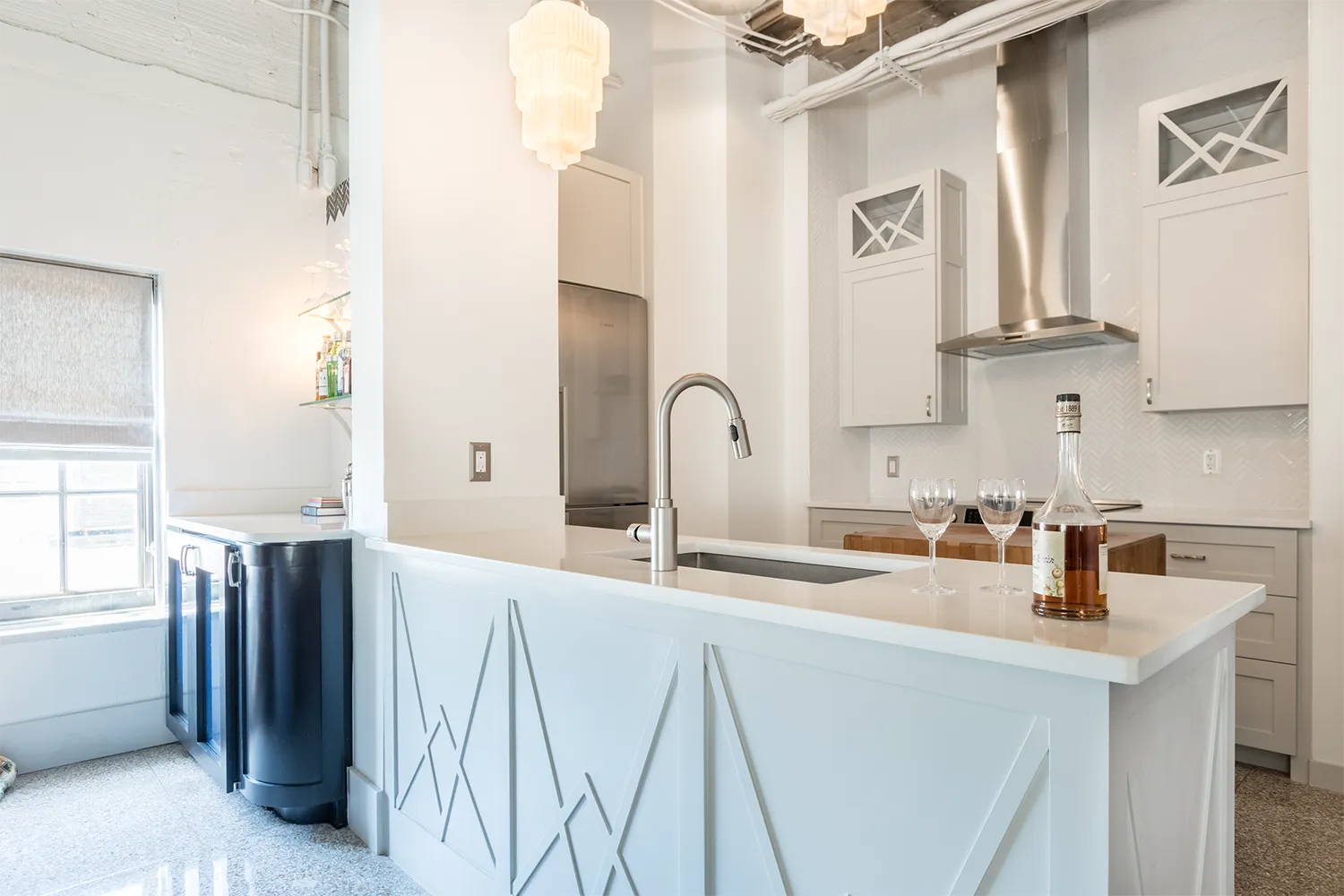
Fort Worth Kitchen Addition Cost Guide (2026)
What kitchen additions actually cost in Fort Worth — by scope, size, and finish level. From small bump-outs to full kitchen wings.