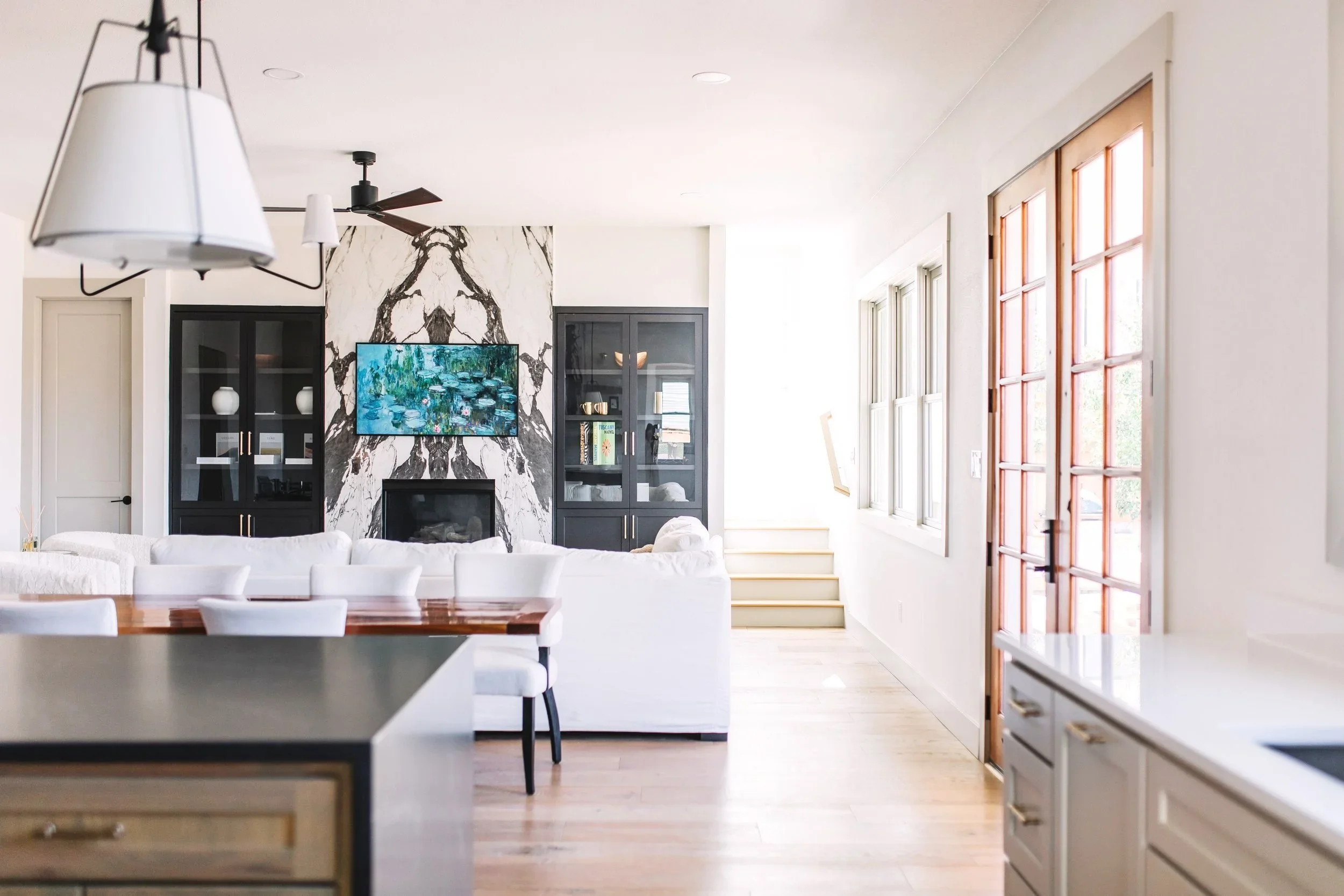
Fort Worth Home Addition Permits: What to Know
Yes — every [Fort Worth home addition](/services) needs a permit. Here's the process, the timeline, and what slows it down across DFW.
The Short Answer
Yes — any structural home addition in Fort Worth requires a building permit. This includes bump-outs, room additions, second story additions, sunrooms, and in-law suites. There are no exceptions for project size.
This is true across every city in the DFW area. Fort Worth, Arlington, Mansfield, Aledo, Keller, Southlake — all of them require permits for structural additions.
The permit process exists to ensure additions are structurally safe, code-compliant, and professionally reviewed. Beyond the safety argument, unpermitted additions can create real problems at resale — buyers' lenders often won't finance homes with unpermitted work, and title insurance companies can refuse to insure them.
What Fort Worth Requires
For a residential home addition in Fort Worth, the permit process generally requires:
Building plans. A complete set of construction drawings — floor plan, elevations, foundation plan, framing plan, and mechanical/electrical/plumbing layouts. For second story additions and structurally complex projects, these must be stamped by a licensed structural engineer.
Site plan. A plot plan showing the property, existing structures, the proposed addition, and all setback distances. Fort Worth requires specific setbacks — typically 5 feet from side property lines and 10–15 feet from rear property lines in residential zones, though this varies by zoning district.
Permit application. Filed through Fort Worth's Development Services Department. Fort Worth now accepts most permit applications online through its CSS (Customer Self Service) portal.
Plan review. A city reviewer checks your plans for compliance with the International Building Code, Fort Worth zoning ordinances, and any applicable neighborhood overlays.
Inspections. During construction, the city will require inspections at key stages — foundation, framing, rough mechanical, and final.
How Long Does It Take?
This is the question we get most. The honest answer is: it depends on the city, the project complexity, and current permit office volume.
Fort Worth (standard residential zones): Plan review typically takes 3–6 weeks for a straightforward addition. If there are city comments requiring plan revisions, add another 2–4 weeks.
Fort Worth Historic Districts: If your property is in a historic overlay — Fairmount, Ryan Place, Mistletoe Heights, Near Southside, and others — your addition must also be reviewed by the Historic & Cultural Landmarks Commission (HCLC). The HCLC meets monthly. If your project is submitted close to a meeting date, you might get a hearing in 3–4 weeks. If you miss a submission deadline, you wait until the next month's meeting. Budget an additional 4–8 weeks for HCLC review.
Arlington: Generally similar to Fort Worth — 4–7 weeks for plan review on standard additions.
Mansfield: A faster permit office than most. Fort Worth homeowners who've been through the city process are often pleasantly surprised by Mansfield's 2–4 week review times.
Keller, Southlake, Colleyville: These cities have smaller permit departments. Review times can vary significantly based on volume — anywhere from 3 weeks to 8+ weeks.
Aledo (Parker County): Unincorporated Parker County properties go through the county permit office rather than a city. Generally less restrictive than city jurisdictions, with review times of 2–4 weeks.
What Slows It Down
Several common issues can extend the permit timeline:
Incomplete plans. The most common cause of delay. If your plans are missing required details — foundation specifications, structural calculations for a second story, or HVAC layout — the city will issue comments and send the plans back. Each round of comments adds 2–4 weeks.
Structural calculations for second stories. Second story additions require structural engineering — the city wants to see that the existing first floor can carry the load. Getting an engineer's stamp on the plans takes 2–3 weeks on its own, so plan for this in your overall timeline.
Historic district review. As noted above, the monthly HCLC meeting schedule means timing matters. We try to time our historic district submissions to hit the next available meeting.
City comment rounds. Every DFW city has different preferences and common comment issues. We've worked with the Fort Worth, Arlington, Mansfield, Keller, and Southlake permit offices enough times that we know what to expect and how to write plans that minimize back-and-forth.
What We Handle for You
When you work with us, you don't manage the permit process. We do.
This includes:
- —Preparing complete permit-ready construction drawings
- —Coordinating with structural engineers when required
- —Submitting applications and paying permit fees
- —Responding to city comments
- —Scheduling and managing all required inspections
The permit process isn't mysterious — it just takes experience, attention to detail, and a working relationship with the city's plan reviewers. We've built that relationship across every major DFW city.
The Bottom Line for Your Timeline
When homeowners ask "how long will my addition take?" — the honest answer includes permitting time. Here's a realistic overall timeline for common project types:
- —Bump-out addition: 5–7 months (8–12 weeks design + permitting, 3–4 months construction)
- —Room addition or in-law suite: 6–9 months (10–14 weeks design + permitting, 4–5 months construction)
- —Second story addition: 8–12 months (14–18 weeks design + engineering + permitting, 5–7 months construction)
Homeowners who plan for these timelines have better experiences than those who expect to break ground in 6 weeks. We build in all of this from the start — so you know exactly what to expect.
If you're ready to figure out what your specific project requires, schedule a free consultation. We'll look at your property, tell you what the permit process looks like for your specific city and project type, and give you a realistic timeline before you've spent anything on plans.
Ready to Start Your Home Addition Project?
Schedule a free consultation and get answers specific to your property — no obligation.
Related Articles
Home Additions in Fort Worth's Historic Districts: What You Need to Know
Adding on in Fairmount, Ryan Place, or another Fort Worth historic overlay is possible — but the rules are different. Here's the full picture.
Fort Worth Home Addition Cost Guide (2026)
Real cost numbers from 40+ home addition projects in Fort Worth and DFW — by project type, finish level, and what actually drives the price.