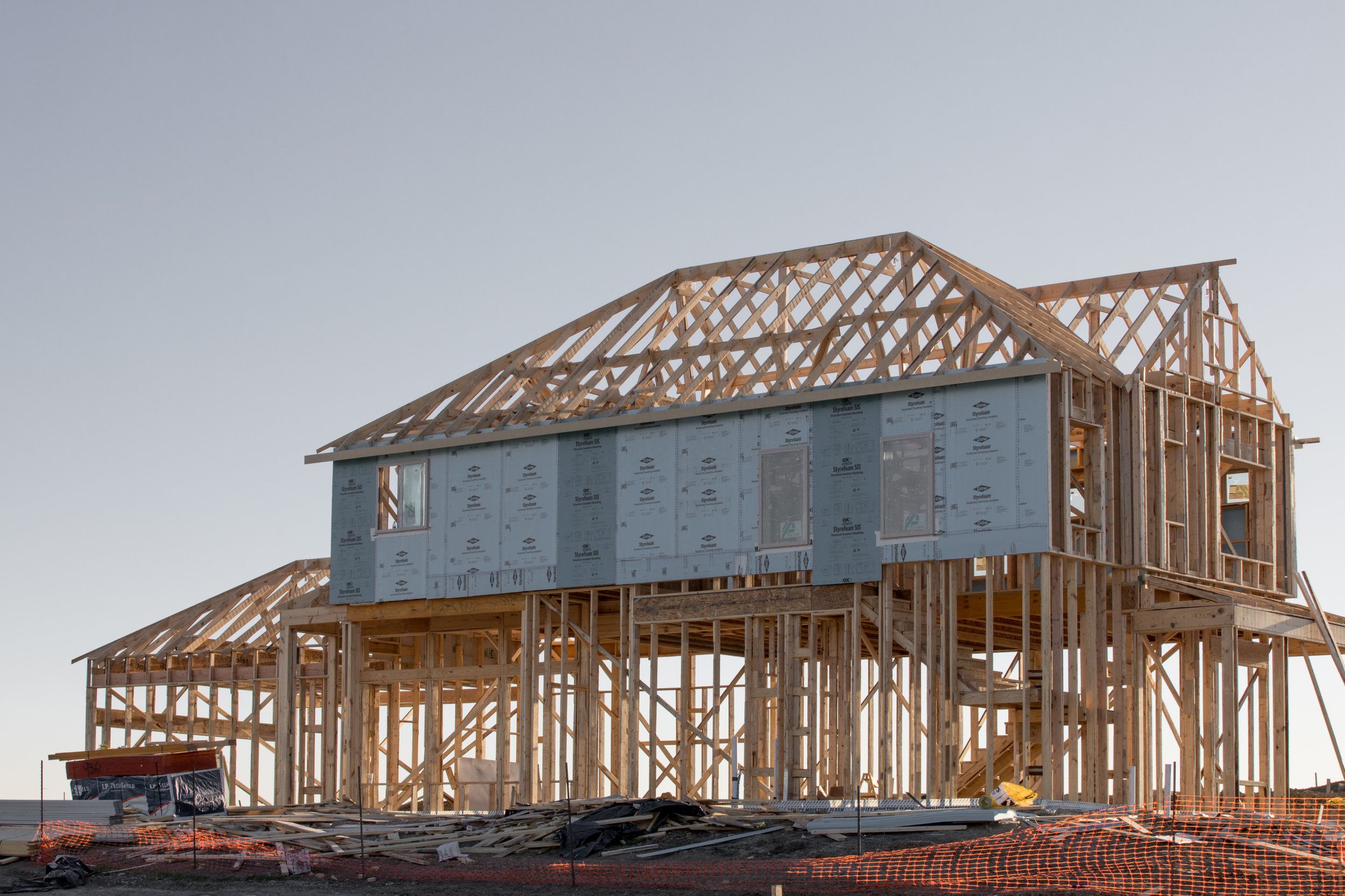
Home Addition ROI in Fort Worth: Honest Numbers
Do home additions pay off at resale in Fort Worth? What the data says, what our clients see, and how to think about ROI for a project this size.
The Question Every Homeowner Asks
Before committing to a $150,000 addition, most homeowners want to know: will I get this money back?
It's the right question to ask. And the honest answer is more nuanced than the national statistics you'll find on remodeling cost-vs-value websites.
Here's what we've learned from building 40+ additions across Fort Worth since 2016 — and what our clients' post-addition appraisals actually show.
What National Data Says (and Why It's Incomplete)
The annual Remodeling Magazine Cost vs. Value report is the most-cited source on renovation ROI. For 2025, it shows room additions nationally recouping about 54–69 cents on the dollar at resale.
That number understates the value in strong real estate markets and overstates it in weak ones. Fort Worth has been one of the stronger residential real estate markets in the country for the past decade. The math here is different from the national average.
The Fort Worth Calculation
The key variable in Fort Worth is price per square foot. The median price per square foot for existing homes in Fort Worth proper (as of early 2026) runs $160–$240 in most neighborhoods, and $250–$380+ in inner-loop neighborhoods like Fairmount, Mistletoe Heights, Ryan Place, and near TCU.
If a 600 sq ft primary suite addition costs you $160,000 to build — that's roughly $267 per square foot of construction cost. If your neighborhood trades at $200 per square foot, the addition adds roughly $120,000 in appraised value — a 75% return at the moment of completion.
But if your neighborhood trades at $280 per square foot (closer to inner-loop valuations), that same addition adds $168,000 in appraised value — a return that exceeds the cost.
Which Addition Types Have the Best ROI in Fort Worth
Primary suite additions consistently show the strongest ROI in the Fort Worth market. The demand for homes with a proper primary suite exceeds supply in most inner-loop neighborhoods, where aging housing stock typically has undersized primary bedrooms.
Second story additions have strong ROI but require a higher initial investment. The payoff is strongest in neighborhoods where lot coverage constraints prevent ground-floor expansion and where comparable two-story homes sell at a significant premium.
Kitchen additions show excellent ROI when they solve a real problem — expanding a too-small kitchen that's holding back the rest of the home's value. Kitchen additions that push a home significantly above neighborhood price norms show lower returns.
In-law suite additions have the most variable ROI because buyer preferences vary widely. In urban Fort Worth neighborhoods with high rental demand, a legal ADU adds clear, measurable value. In suburban neighborhoods where buyers don't value rental income potential, the return is closer to construction cost.
Bump-out additions typically show solid returns (75–95 cents on the dollar) because they're the most cost-efficient way to add square footage.
The Non-Financial ROI
Focusing purely on resale value misses something important: most homeowners who build additions don't do it as a financial transaction. They do it because they need more space for their family, and they're staying.
The homeowners who get the most out of their addition investment are the ones who live in the added space for 5–15 years before selling. The financial return compounds with time because the real estate market generally appreciates while the construction cost is sunk.
The homeowners who are disappointed are the ones who build expensive additions and sell within 2–3 years — before the market has validated the investment.
How to Maximize ROI on a Fort Worth Addition
Stay within neighborhood price norms. If the highest comparable sales in your neighborhood are $400,000, a $300,000 addition on a $300,000 house is unlikely to produce full return. You'd be creating a $600,000 home in a $400,000 neighborhood.
Prioritize additions that fix functional deficiencies. An addition that solves a problem the existing home has — inadequate primary suite, too-small kitchen, no in-law option — recovers more value than an addition that adds space the market doesn't specifically demand.
Match the character of the existing structure. Additions that look like they were always part of the house appraise better and sell better than additions that look bolted on. This matters financially, not just aesthetically.
Stay in your neighborhood. The value of an addition is determined by what comparable homes sell for. An addition that makes your home the best on the block in a neighborhood trending upward is worth more than the same addition in a neighborhood trending flat.
The Bottom Line
For most Fort Worth homeowners building thoughtfully-scoped additions in solid neighborhoods, a home addition will return 70–100 cents on the dollar at resale — with higher returns in inner-loop, high-demand neighborhoods and for addition types that address real buyer demand.
More importantly: you'll live in the improved home for years before you sell. Factor in the quality-of-life value of the added space, and the math looks very different from a pure financial calculation.
Ready to Start Your Home Addition Project?
Schedule a free consultation and get answers specific to your property — no obligation.
Related Articles
Fort Worth Home Addition Cost Guide (2026)
Real cost numbers from 40+ home addition projects in Fort Worth and DFW — by project type, finish level, and what actually drives the price.
Fort Worth Kitchen Addition Cost Guide (2026)
What kitchen additions actually cost in Fort Worth — by scope, size, and finish level. From small bump-outs to full kitchen wings.